
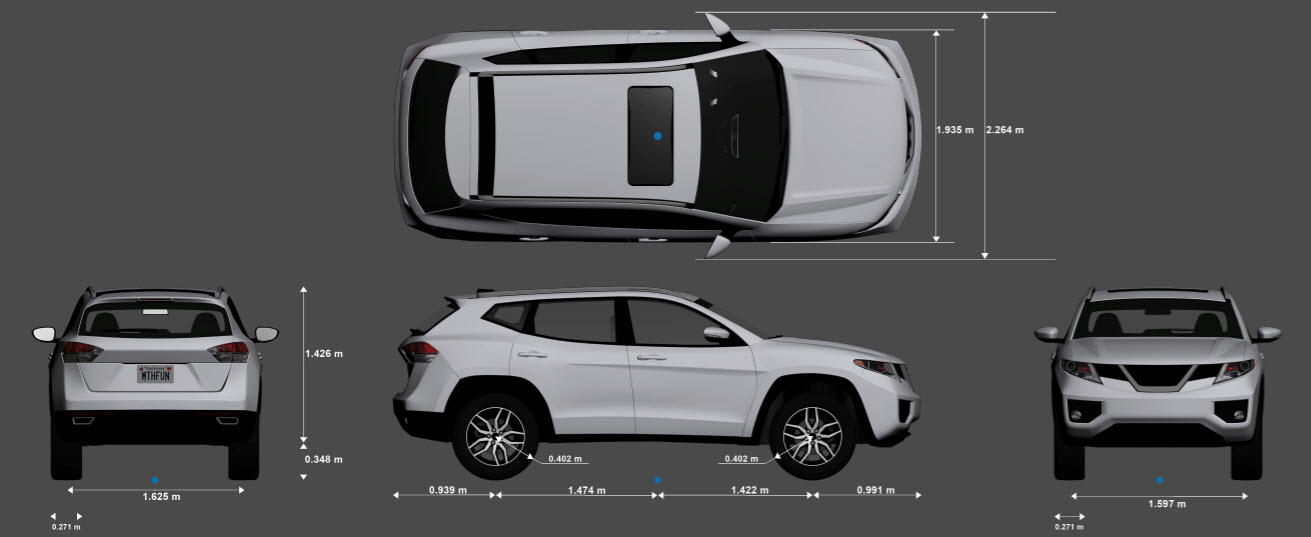
When people buy a car, size is one of the first things they check. Some want a compact car for city driving, while others want a larger vehicle for family trips. The choice between an SUV and a sedan often comes down to how much space you need. By looking closely at car dimensions, anyone can understand the real differences. This guide will make it easy to compare vehicle sizes without confusion.
Table of Contents
Why Size Matters in Cars
The size of a car is more than just its look. Bigger cars often give more comfort, but smaller cars may be easier to drive in tight streets. To compare vehicle sizes, you need to think about length, width, and height. These car dimensions decide how much legroom you get, how easy it is to park, and how much cargo fits inside. When people debate SUV vs sedan size, these points become very clear.
Understanding Car Dimensions
Car dimensions are simple numbers that show the full shape of a vehicle. Three main numbers tell the story:
- Length: The front bumper to the back bumper.
- Width: Side mirror to side mirror.
- Height: Base of the wheel to the top of the roof.
If you compare vehicle sizes using these numbers, you can quickly see the difference between models. Sedans are usually lower and longer, while SUVs are taller and wider. These details help families, daily drivers, and even first-time buyers make smart choices.
SUV vs Sedan Size for Daily Use
When you compare vehicle sizes in daily life, sedans look slim and easy to handle. They glide into parking spots, move through traffic, and often feel smooth on highways. In terms of car dimensions, sedans stay closer to the ground, which gives good stability.
On the other hand, SUVs stand higher. This SUV vs sedan size difference means the driver in an SUV sits above traffic. Many people like this feeling of control and clear road view. But the taller car dimensions also mean you need more care when parking or turning in small spaces.
Space Inside the Cabin
The inside of a car shows how important size can be. Sedans give a simple layout with enough leg space for four or five people. The trunk is separate, which works fine for small luggage or groceries.
SUVs, due to their larger car dimensions, give more room. Families often choose them because kids, strollers, and bags all fit in with ease. When you compare vehicle sizes this way, SUVs almost always win. The SUV vs sedan size gap inside the cabin is often the reason people upgrade from a sedan to an SUV.
Cargo and Storage
Sedans have fixed trunks. Their car dimensions set a limit on storage. While perfect for daily shopping, they may not handle bulky items.
SUVs are different. Fold the back seats, and the cargo area grows. The bigger size makes it possible to carry sports gear, camping kits, or even small furniture. For anyone who wants to compare vehicle sizes by cargo space, SUVs lead the way.
Safety Features and Size
Size also links to safety. In general, larger car dimensions give SUVs more weight and presence. Many drivers feel safer in a tall and strong SUV. The SUV vs sedan size contrast becomes clear in accident studies, where larger vehicles often show less damage.
Still, sedans have a strong record too. Their lower center of gravity reduces roll-over risks. So when people compare vehicle sizes in terms of safety, it depends on what matters most: stability or heavy build.
Comfort for Long Drives
Sedans are smooth, quiet, and low to the ground. Their smaller car dimensions make long highway drives easy. Many sedan lovers enjoy this comfort.
SUVs give space and height. Passengers stretch their legs and relax on trips. The SUV vs sedan size debate in comfort depends on personal needs. Those who want a soft, stable ride lean toward sedans. Families who need extra room often choose SUVs.
Parking and City Driving
One of the biggest tests is city driving. Sedans shine here. Their car dimensions allow easy parking even in small lots. The SUV vs sedan size comparison shows sedans as winners for urban use.
SUVs, while bigger, may feel hard to park. Narrow lanes, small garages, and busy traffic can test drivers. But many modern SUVs add sensors and cameras that help balance the size issue.
Fuel Use and Size
When you compare vehicle sizes, fuel use often comes into the talk. Smaller car dimensions usually mean lighter weight. Sedans, being lower and slimmer, often need less fuel.
SUVs, due to their larger build, may use more fuel. But technology is changing this. Hybrid and electric SUVs make the SUV vs sedan size debate in fuel use less one-sided.
Lifestyle Choices and Size
Choosing between an SUV and sedan is also about lifestyle. If you compare vehicle sizes with a young family in mind, SUVs feel right. The bigger car dimensions handle baby seats, groceries, and weekend trips.
For single drivers, students, or those in cities, sedans often work better. The SUV vs sedan size decision is less about numbers and more about how you live each day.
Trends in Car Dimensions
The car market changes fast. SUVs are growing in popularity. Even compact SUVs now exist, which blend the SUV vs sedan size gap. At the same time, sedans remain a classic choice. When you compare vehicle sizes today, you see many new shapes and styles. Automakers try to balance height, length, and width to meet different needs.
Family vs Solo Driving Needs
A family that needs to carry kids, pets, and bags will see the SUV vs sedan size difference clearly. SUVs give the flexibility to carry more without stress.
A solo driver may compare vehicle sizes and see a sedan as a perfect fit. Its smaller car dimensions bring freedom, simple control, and lower costs.
Road Conditions and Car Size
Where you drive also matters. Sedans handle paved roads best. Their lower car dimensions give smooth moves.
SUVs fit rough roads better. The SUV vs sedan size gap in ground clearance is the main reason. SUVs climb curbs, handle rain floods, and move over rocky paths. This makes them the stronger choice for mixed road conditions.
Technology and Modern Car Dimensions
New models now focus on space-saving designs. Even sedans come with foldable seats. SUVs use sliding rows for flexible room. To compare vehicle sizes today, you must look at more than length and height. Features like seat design, smart cargo layouts, and digital aids change the way people see car dimensions.